

As the Premier League clash between Manchester United and Tottenham Hotspur kicks off at 20:30 on February 7th, both teams enter with a blend of momentum, injury concerns, and historical context. Here’s a data – driven breakdown of the encounter:
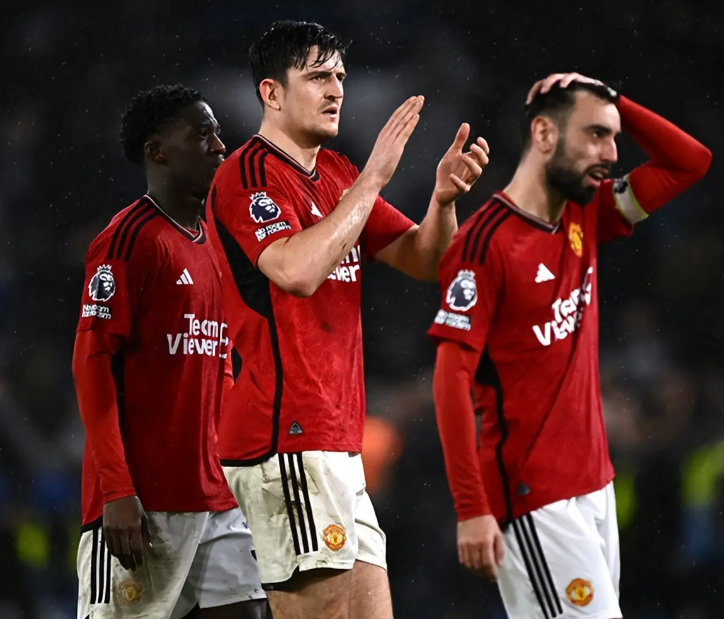
1. Injury Landscape
- Manchester United: Three first – team players are unavailable, with two new injury cases emerging. The continued absence of key defensive personnel (e.g., Harry Maguire’s long – term injury) and fresh setbacks for other starters will force tactical adjustments. Defensive stability could be compromised without full – strength options.
- Tottenham Hotspur: Positive news arrives as their backline duo returns from injury, alleviating defensive worries. However, injury troubles aren’t over—multiple players remain sidelined. The expected return of striker Richarlison will boost attacking options, but squad depth is still a concern.
2. Recent Form Analysis
- Manchester United: Under interim manager Michael Carrick, the Red Devils have found their rhythm, securing three consecutive wins across all competitions (with three victories in their last four matches). Their home form is particularly impressive, staying unbeaten at Old Trafford this season.
- Tottenham Hotspur: On the road, Spurs demonstrated resilience in a 2 – 2 draw with Manchester City, staging a remarkable comeback from a 2 – 0 deficit. Yet, their Premier League struggles persist, with a six – game winless streak. Still, the result against City injected some much – needed confidence into their turbulent campaign.
3. Match Prediction
Manchester United will aim to extend their recent good form and secure a home win, relying on the energy of Old Trafford and Michael Carrick’s tactical acumen. Tottenham’s injury issues and poor league form may limit their attacking threat, despite Richarlison’s return. Given Tottenham’s difficulties against top – tier teams and Manchester United’s resurgence, a 2 – 0 victory for Manchester United is a plausible outcome—capitalizing on home advantage and Tottenham’s defensive vulnerabilities.
Comment List (0):
Load More Comments Loading...