

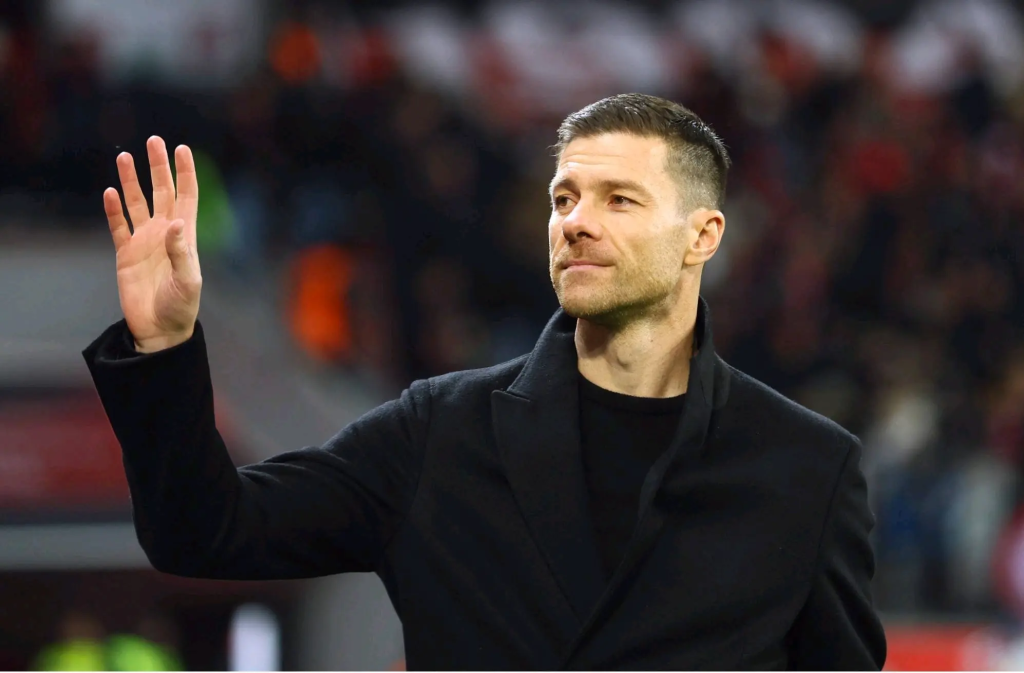
When Real Madrid announced the sacking of Xabi Alonso after just 233 days as head coach, the footballing world was left questioning the decision. Despite steering the club to a respectable La Liga standing (45 points, second place) and a 4-2 Champions League record, Alonso’s tenure ended abruptly following a 3-2 Supercopa final loss to Barcelona. While critics cite results as the primary reason, a deeper analysis reveals systemic issues: Alonso’s inability to harness the egos and adaptability of Real Madrid’s star-studded squad ultimately derailed his tenure.
A Coach Ahead of His Time?
Alonso’s tactical blueprint, honed at Bayer Leverkusen (where he won a historic treble in 2023–24), emphasized high-pressing, positional fluidity, and midfield creativity. Early signs were promising: a 13-game winning streak in La Liga, including a 2-1 Clásico victory over Barcelona, showcased his philosophy in action . His first major trophy, the 2025–26 Copa del Rey, was secured through a 1-0 win over Athletic Club, with young striker Gonzalo García netting the decisive goal .
Yet, cracks soon emerged. A 5-2 derby thrashing by Atlético Madrid in October 2025 exposed defensive fragility, while a 1-0 Champions League loss to Liverpool in November highlighted a lack of cutting edge in crucial moments . By December, a 2-0 home defeat to Celta Vigo—a team 12th in La Liga—ignited boardroom concerns .
The Hidden Struggles: Stars, Egos, and Tactical Resistance
1. The Vinícius Saga: A Clash of Wills
The relationship between Alonso and Vinícius Júnior unraveled publicly during the El Clásico on October 26, 2025. After substituting the Brazilian in the 72nd minute, Vinícius shouted, “Me voy del equipo” (“I’m leaving”) as he stormed off, later apologizing only to the fans—not Alonso . The incident, amplified by social media, fractured team unity. Sources claim Alonso’s rigid substitution policies and refusal to accommodate Vinícius’ playing style (e.g., frequent wing rotations) alienated the club’s most marketable star .
2. Midfield Creativity Crisis
Alonso’s system relied heavily on midfield playmakers, but Real Madrid’s acquisitions—Trent Alexander-Arnold, Franco Mastantuono—lacked the vision to execute his vision . Jude Bellingham, tasked with filling the void, struggled with positional ambiguity, often drifting into defensive roles. “We need a maestro in midfield,” Alonso lamented in a leaked interview. “But the board prioritized physicality over creativity.”
3. Fitness Philosophy vs. Player Welfare
Alonso’s strict regimen, enforced by his trusted fitness coach Carmen Fort, clashed with the players’ preferences. A heated dispute over pre-match hydration routines in December 2025 led to a dressing room revolt, with Vinícius and Rodrygo openly criticizing the plan . The situation worsened when Alonso resisted reinstating former physio Antonio Pintus, who had worked with Zidane and Ancelotti .
4. Boardroom Distrust
Despite public denials, tensions between Alonso and president Florentino Pérez simmered. Pérez reportedly favored a more “player-friendly” approach, mirroring Zidane’s successful tenure. Alonso’s insistence on signing Martin Zubimendi—a midfielder he coached at Real Sociedad—was blocked, deepening the rift .
Legacy: A Tactical Pioneer or a Victim of Circumstance?
Alonso’s legacy is a study in contrasts. He improved Madrid’s pressing efficiency (from 53% to 61% possession in La Liga) and developed young talents like García and Arda Güler . However, his failure to manage egos and adapt to Real Madrid’s unique culture proved fatal.
As former player Iker Casillas noted:
“Xabi wanted to build a team in his image, but Real Madrid isn’t a blank canvas. It’s a global brand with global stars.”
Comment List (0):
Load More Comments Loading...